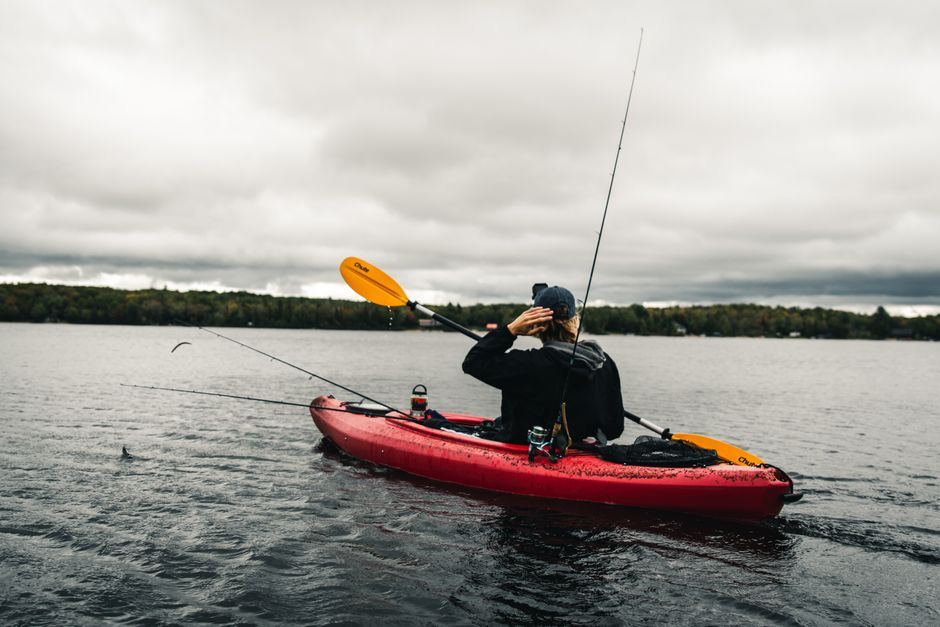
Choosing a fishing kayak that matches how you actually fish
Reviewed by the ReelPaddle team · last updated 2026-08-27
A fishing kayak solves a specific problem: getting onto skinny, quiet water that a bass boat can't reach, at a fraction of the cost and zero registration hassle in most states. But "fishing kayak" covers a wide range of hulls, from simple sit-on-top boats you paddle by hand to pedal-drive systems that free up both hands for casting the moment you're on the water.
The biggest split in the category is paddle versus pedal. Paddle kayaks like the Perception Pescador Pro are lighter, cheaper, and easier to car-top solo, while pedal-drive boats like the Old Town Sportsman PDL trade weight and price for hands-free propulsion -- you can work a lure or fight a fish without ever picking up a paddle. Neither is strictly better; it depends on how much you're willing to carry and spend for that hands-free advantage.
Beyond the drive system, look at how "fishing-ready" a hull actually is out of the box: flush-mounted rod holders, a stable standing platform for sight-casting, a scupper sized for a transducer, and enough dry storage for a tackle box and rods. Weight capacity matters too -- most anglers underestimate how much a cooler, anchor, and full tackle bag add on top of body weight.
A fishing kayak by itself only gets you on the water -- it doesn't paddle itself, help you find fish, or get from your garage to the boat ramp. Most anglers end up filling those three gaps with a dedicated paddle, a fish finder mounted at the bow, and a roof rack to actually transport the kayak, which we cover in more detail below.
Hull type: sit-on-top vs. pedal-drive
Sit-on-top paddle kayaks like the Pescador Pro are lighter and cheaper to buy and transport; pedal-drive kayaks like the Sportsman PDL 106 cost more and weigh more but leave both hands free to cast and reel.
Weight capacity, with margin
Add your own body weight to a full tackle bag, cooler, anchor, and any electronics before comparing it to the kayak's rated capacity -- staying well under the max keeps the hull sitting higher and more stable, not just afloat.
Stability for standing and sight-casting
Wider hulls (34+ inches) generally let you stand and sight-cast more confidently than narrower, faster touring-style hulls, at some cost to top-end paddling speed.
Rod holders and rigging
Check how many flush-mounted rod holders come standard and whether the deck has accessory tracks for adding rod holders, a camera mount, or a fish finder arm later without drilling new holes.
Storage and transducer scupper
Look for sealed front/rear hatches for dry storage and a dedicated scupper hole sized for a transducer, so you're not improvising a mount for a fish finder.
Weight and how you'll transport it
A 90-100+ lb pedal kayak needs a cart or two people to load onto a roof rack -- factor this in before buying if you're launching solo from a car.
Budget for the gear around the kayak, not just the hull
A paddle (or the pedal drive itself), a fish finder, and a way to get the kayak to the water -- typically a roof rack -- are separate purchases most anglers need on top of the kayak itself; we cover paddles, fish finders, and roof racks in more detail below.